
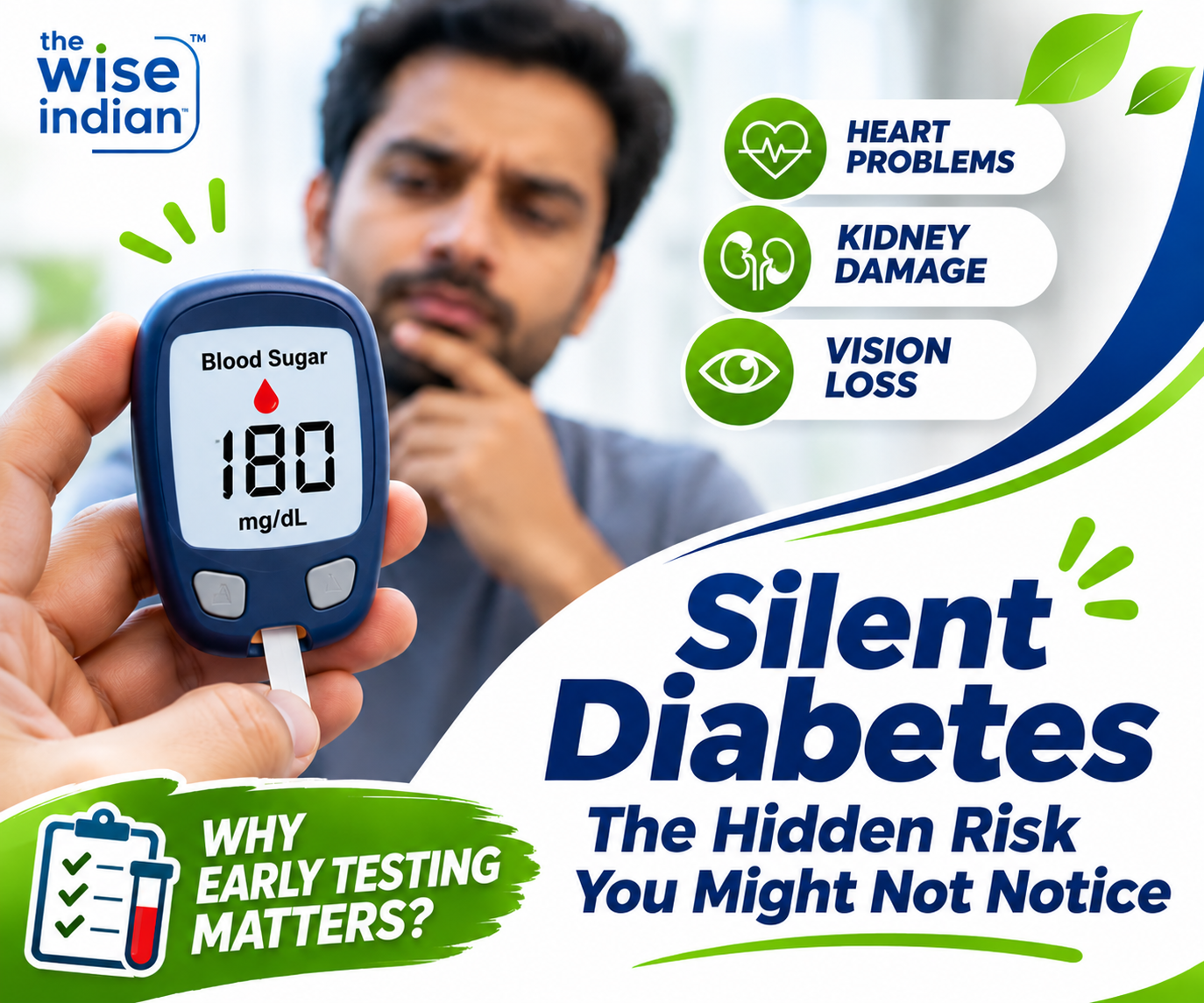
Millions of people live with diabetes without knowing they have it. They continue working, studying and managing their daily responsibilities while their blood glucose levels remain dangerously high. Unlike illnesses that produce immediate warning signs, type 2 diabetes can develop gradually. Some people experience mild symptoms, while others notice nothing unusual for years. This hidden burden makes silent diabetes an important public health concern, particularly in communities with limited healthcare facilities.
Consequently, many receive a diagnosis only after developing complications affecting their eyes, kidneys, nerves or heart. According to the International Diabetes Federation (IDF), approximately 252 million adults worldwide were unaware they had diabetes in 2024. Therefore, recognising personal risk factors and getting tested early can make a significant difference. A simple blood test could help identify the condition before serious complications develop.
Why Diabetes Often Goes Unnoticed
Type 2 diabetes develops when the body cannot use insulin effectively or fails to produce enough insulin. Insulin is a hormone that helps glucose move from the bloodstream into cells for energy. When this process becomes ineffective, glucose gradually accumulates in the blood. However, the condition does not always produce noticeable symptoms during its early stages. Some people experience excessive thirst, frequent urination, unusual hunger, fatigue, blurred vision or unexplained weight loss.
Others may mistake these changes for dehydration, ageing or everyday exhaustion. As a result, they might not consider visiting a healthcare professional. The World Health Organization explains that type 2 diabetes can remain undiagnosed for several years because its symptoms may be mild or absent. This makes silent diabetes particularly difficult to recognise without appropriate testing. Moreover, the absence of symptoms does not mean blood glucose levels are normal. Understanding this difference is essential for encouraging people to seek preventive healthcare instead of waiting until they feel unwell.
Who Is at Risk and Why Testing Matters
Several factors can increase a person’s chances of developing type 2 diabetes. These include a family history of diabetes, excess body weight, physical inactivity and increasing age. Women who experienced gestational diabetes during pregnancy may also face a higher risk later in life. Additionally, conditions such as high blood pressure and abnormal cholesterol levels can occur alongside diabetes. However, the condition does not affect only older adults or people who are overweight.
Younger individuals and people with apparently healthy body weights can also develop it. Therefore, judging someone’s health by physical appearance can create a false sense of security. Getting tested becomes particularly important when someone has multiple risk factors. In India, the SMART India population screening study examined 42,146 adults across urban and rural communities. Researchers found that 6% had undiagnosed diabetes. Among participants living with diabetes, the undiagnosed proportion reached 36.7% in rural areas and 22.8% in urban areas. These findings demonstrate why accessible screening services matter. Early diabetes testing can help identify people who need medical attention before complications become severe.
Understanding the Tests That Detect Diabetes
Blood tests provide reliable ways to identify elevated glucose levels and diagnose diabetes. Three commonly used tests include fasting plasma glucose, glycated haemoglobin (HbA1c) and the oral glucose tolerance test (OGTT). A fasting plasma glucose test measures blood sugar after at least eight hours without food or caloric drinks. An HbA1c test estimates average blood glucose levels over approximately two to three months. Unlike fasting tests, it generally does not require an overnight fast. Meanwhile, an OGTT measures blood glucose before and two hours after consuming a standard glucose drink.
According to established diagnostic criteria, diabetes can be indicated by fasting plasma glucose of 126 mg/dL or higher, HbA1c of 6.5% or higher, or a two-hour OGTT result of 200 mg/dL or higher. However, people without clear symptoms generally need a second abnormal result to confirm the diagnosis. Healthcare professionals determine the appropriate test based on individual circumstances. Therefore, people should not interpret screening results independently or begin treatment without medical advice. Regular screening also helps identify prediabetes, a condition involving blood glucose levels above normal but below the diabetes threshold. Appropriate lifestyle changes during this stage can reduce the risk of developing type 2 diabetes.
Making Early Screening Accessible to Everyone
Access to healthcare plays an important role in identifying undiagnosed diabetes. Unfortunately, people in remote villages and economically disadvantaged communities may struggle to obtain affordable diagnostic services. Long travel distances, limited healthcare facilities, financial difficulties and inadequate awareness can discourage regular testing. Furthermore, some people believe diabetes affects only those experiencing visible symptoms.
Addressing these misconceptions requires stronger community awareness and accessible screening programmes. In India, the National Programme for Prevention and Control of Non-Communicable Diseases (NP-NCD) includes population-based screening for diabetes among adults aged 30 and above. Screening services are delivered through primary healthcare facilities, including Ayushman Aarogya Mandirs. Community health workers also help identify individuals who may require testing and encourage them to seek medical attention. However, screening alone is not enough. People receiving a diagnosis need affordable medicines, regular monitoring and appropriate medical guidance.
They should also receive advice about balanced nutrition, physical activity and maintaining a healthy weight. Depending on individual needs, doctors may recommend oral medicines or insulin. Regular checks of kidney function, eyesight, blood pressure and foot health are equally important. With proper treatment and follow-up, many complications can be prevented or delayed. Ultimately, accessible healthcare must connect early detection with long-term diabetes management.
The Wise Take
Silent diabetes shows why people should never depend entirely on physical symptoms to understand their health. Millions remain unaware of their condition, particularly where healthcare access and diagnostic facilities are limited. However, early testing creates an opportunity to identify elevated blood glucose and seek appropriate treatment. Families can encourage at-risk members to attend regular health check-ups, while communities can support awareness and screening initiatives.
Governments must also strengthen primary healthcare services and make diagnostic facilities affordable. Most importantly, people should not wait for excessive thirst, fatigue or other warning signs before considering a blood sugar test. Getting tested early is a practical step towards protecting long-term health. Feeling healthy is encouraging, but knowing your blood glucose levels provides a clearer picture. A simple test today could help prevent serious health problems tomorrow.
Also read our other article on What Is a GI Tag, and Why Does It Fail to Keep India’s Traditional Crafts Alive in the Long Run?
Follow The Wise Indian for more stories about the people and ideas quietly reshaping India.