
A 10 August notification restored the electric two-wheeler subsidy ten days after it lapsed.
Electric scooters and motorcycles now make up more than half of every electric vehicle registered in India. The central electric two-wheeler subsidy that holds their prices down expired on 31 July 2026. Then, on 10 August, the Ministry of Heavy Industries issued a notification. It restored the incentive, running it to March 2028.
Two-Wheelers, Not Cars, Are Driving India’s EV Growth
The clearest picture comes from the government’s Vahan portal. It counts vehicles at registration, rather than at the factory gate.
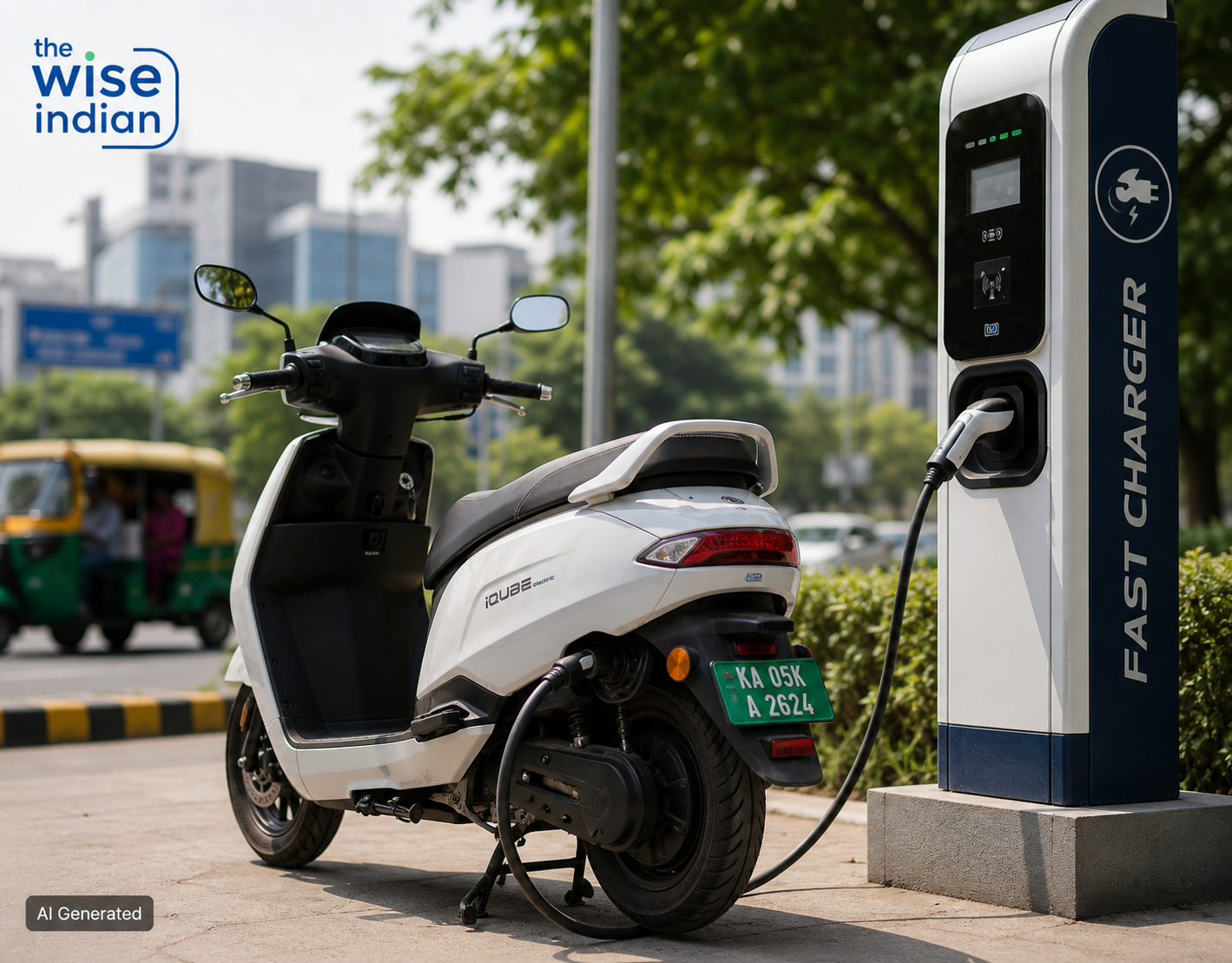
In 2025-26 India registered more than 2.45 million electric vehicles, up 25 percent from 1,967,547. Electric two-wheelers accounted for 1,401,663 of them, or 57 percent of the total.
Electric cars and cabs came to 199,590 units, close to 8 percent, though growing faster at 84 percent. Commercial electric vehicles stayed under 1 percent. Three-wheelers, mostly e-rickshaws, made up most of the rest.
This year has moved faster still. Two-wheeler registrations crossed one million on 6 July, then reached 1.11 million by the end of that month. By comparison, the whole of 2025 produced 1.29 million.
What the Electric Two-Wheeler Subsidy Now Covers
The government notified the PM E-DRIVE scheme in September 2024, and it started that October. The new notification raises its total budget from Rs 10,900 crore to Rs 11,900 crore.
Almost all of that increase goes to two-wheelers. The number the government will support rises to 45,79,120, on Rs 2,767 crore. At the same time, the deadline for the segment moves to 31 March 2028.
Electric buses remain the largest single item, at Rs 4,391 crore for 14,028 vehicles.
Why Cars Still Get More Attention Than Scooters
Volume and share are two different measures. Electric vehicles made up 7.9 percent of car and cab registrations in July 2026. Meanwhile, within the two-wheeler market, the electric share rose from 9.3 percent in May to 10.6 percent in June.
Cars cost more and they draw more coverage. So cars shape the conversation, while scooters shape the count.
One caveat belongs with any Vahan figure. The portal skips Telangana and Lakshadweep, because both run their own registration systems. So national totals drawn from it run slightly low.
The Wise Take
The electric two-wheeler subsidy was first due to end in March 2026. The government extended it to July, let it lapse, then restored it with more money than before. That notification moves the funds without explaining the change of course. So any reading of the reasoning stays inference, not fact. For a buyer, though, one detail matters more than the 2028 deadline. The scheme carries a budget limit as well as a calendar. It closes when the money runs out or when the date arrives, whichever comes first.